 0498 70 98 60
How Google Ads Works: Paying to Appear on Google, Explained
On this blog, we talk a lot about SEO. But organic search is only one way to get seen online. We also specialize in paid search (PPC) advertising, especially on Google through its advertising platform, Google Ads.
Known as Google AdWords until 2018, the platform has been called Google Ads ever since. So what’s behind the name, and can you really pay to appear on Google? Here’s how Google Ads works and how paid placement in search results actually happens.
How a Google Results Page Is Built
Let’s start at the beginning. We all know Google and its clean, minimalist results page.
It looks simple, but it’s far richer than it seems. A single search can return organic results, sponsored links, images and videos, related searches, Google Business Profile listings, and much more. In this article, we’ll focus on the sponsored results, the ones marked with a small “Sponsored” label, usually at the very top of the page.
What Is Google Ads?
Google Ads is the advertising platform Google offers businesses to place ads above the organic results and give their website maximum visibility.
Your ad can also appear at the bottom of the results page, below the organic listings. There’s plenty of room, but as in any marketplace, the best spots are the most sought after.
Google Ads: A Wide Range of Options
Is advertising on Google limited to the search results page? Not at all. Beyond text ads on the Search Network, Google offers more visual advertising through banners and image ads shown across millions of websites and mobile apps: the Google Display Network. It includes Google’s own properties, such as Gmail and YouTube, as well as a huge network of partner sites and apps.
You can also promote your videos on YouTube, showcase the products you sell online with Google Shopping, or advertise your mobile app. Newer campaign types, such as Performance Max and Demand Gen, can run across several of these channels at once (our guide to Performance Max campaigns explains how they work).
The biggest advantages of Google Ads are speed and control: once your campaign is approved, it starts running right away and you’re visible almost immediately. The downside is that it works just as fast in reverse. Pause your campaigns, and the visibility stops just as quickly.
Where an agency makes the difference is in optimization. Our one guiding principle: performance.

Search Network
Now that we’ve covered the basics, let’s go deeper. Before creating text ads, start by setting your campaign goals and budget.
Advertising is good. Measuring the return is better, which is why Google Ads conversion tracking should be in place before launch. In Google Ads, you set an average daily budget, and some campaign types also let you set a total budget for the campaign.
Next, you choose the keywords that will trigger your ads when someone searches on Google. This step is critical, because on the Search Network you generally pay for clicks. Keywords that are too broad bring wasted spend and irrelevant clicks, while keywords that are too narrow deliver very little visibility and, as a result, very few leads. How closely your keywords, ads, and landing pages match also feeds your Google Ads Quality Score.
Finally, you set a geographic area where your ads will run. An HVAC contractor in Dallas probably doesn’t want to pay for clicks from people looking for a repair in Houston.
Display Network
While the Search Network focuses on text ads, Google also offers visual advertising through the Display Network.
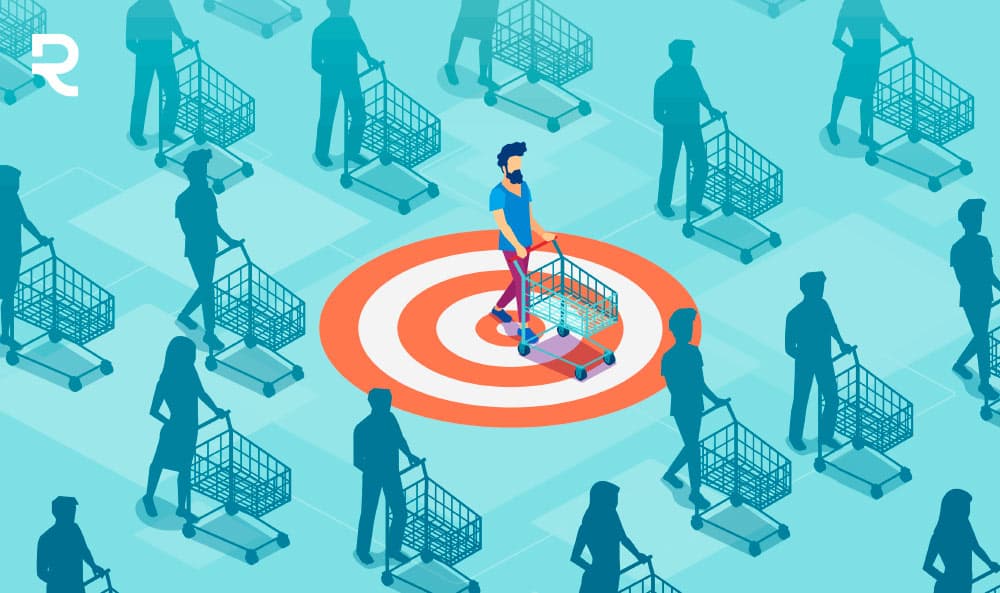
The goal here is to show eye-catching ads across a huge network of partner sites and apps to maximize your reach. As with Search, you need to set goals, a budget, and a geographic area. But this time, in addition to keywords, Google relies on audiences.
Audiences can take many forms. For example, you could target people aged 25 to 54 who are interested in home renovation, or simply show a promotional message to everyone who has visited your website in the last 30, 60, or 90 days.
That second option is called remarketing (or retargeting), and it’s a key part of digital marketing. Remarketing lets you re-engage people who have already visited your site, typically at a lower cost than reaching brand-new prospects. Here are 10 remarketing lists worth building.
There are many possibilities, but as with keywords, be careful. An audience that is too broad or too narrow won’t help you reach your goals. Once again, choosing the right target has a huge impact on your results.
A big advantage of the Display Network: you don’t need to be a design whiz to create compelling ads. Upload a few images, headlines, and descriptions, plus an optional YouTube video, and Google does the rest. Responsive display ads automatically combine those assets into the formats most likely to perform for your audience.
YouTube
What about video? Google has that covered too. Say you’ve just invested in a great video showcasing your company and services. Why not promote it on YouTube, one of the most visited websites in the world? Running ads there works much like the Display Network.
You still set your goals and budget, pick the video to promote, and you’re done. If only it were that simple. There’s another layer on top of keywords and audiences: topics. Be extra careful when setting up YouTube campaigns. YouTube organizes its videos by topic and links viewers to the topics they watch, so the challenge is knowing which topics to pair with which campaigns, in addition to keywords and audiences. Once that’s settled, your ad can run before, during, or alongside YouTube videos. And as always, tell Google exactly which countries or areas you want to target.
Google Shopping
Shopping campaigns let you promote and sell your products online, making it faster and easier to grow your ecommerce business and put your products in front of the right people. Your products come from a feed in Google Merchant Center, and Google can show them in the most relevant places, including Search results, the Shopping tab, YouTube, Gmail, Google Images, and partner sites, especially when you run them through Performance Max. These ads do require more setup and patience: product data often doesn’t meet Google’s requirements on the first try, and fixes are common.
App Campaigns
The last option on our list: app campaigns. They let you promote your mobile app across Search, the Display Network, YouTube, and Google Play. Not every business has an app to promote, of course, but it’s always good to know what’s possible.
Building Campaigns That Perform
Creating campaigns is easy. Making them deliver the results you expect takes work and discipline. Yes, you can pay to advertise on Google, but an agency’s job is to make sure every dollar is spent as efficiently as possible. It also pays to combine Google advertising with a long-term SEO strategy to grow your business over time. Wondering whether it’s right for you? Read Is Google Ads worth it?
Still on the fence? Référenceur is a Google Partner agency from Belgium and Luxembourg, with a French- and English-speaking team that works with U.S. businesses remotely. We’ll help you build the strategy that fits your goals.
Request a free assessment or learn more about our Google Ads management.