 0498 70 98 60
How to Improve the User Experience on Your Travel Website
Improve your travel website SEO by creating content that enhances the travel experience, and stand out as a niche travel expert to climb the rankings.
A Guide to Improving Your Google Rankings
The travel and tourism industry has changed a lot over the years, and your business needs to adapt. With so many trips now starting with a Google search, SEO is essential in tourism, especially when it comes to the content you publish online.

Used well, SEO can help you rank higher in Google. Those rankings matter because most searchers never look past the first page of results.
Google’s ranking systems are designed to reward helpful, people-first content: content written for travelers, not for search engines. The helpful content signals Google introduced in 2022 are now part of its core ranking systems, so this is good news for travel companies that genuinely know their destinations.
If you focus on content quality and what it does for your readers (the idea behind search experience optimization, or SXO), you give yourself a real shot at a spot on the first page of Google.
1. Help Travelers Picture the Experience
Anticipating the experience means using compelling content to help people prepare their own trip. It starts with a solid understanding of the customer journey.

In other words, mixing content formats, such as articles, guides, and checklists, makes your content more engaging and easier on the eye.
Make sure you include the practical details travelers need: the weather, the scenery they’ll see, and any other essential information.
Pro tip: what people want to book are your tours and activities. Describe your services and activities in detail so readers know exactly what to expect. Since you’re working on SEO, take the time to describe the experience you offer as vividly as possible, using relevant keywords.
Keyword research also helps you find out what your target audience is searching for, so you can write content on the topics they actually want to read about.
2. Use Reviews and User-Generated Content to Build More Helpful Tour Package Pages
User-generated content (UGC) can influence other travelers’ decisions in several ways:
- Your customers can become advocates. Word of mouth can shape a future customer’s buying journey.
- Personal reviews from people who took your trip help draw readers in and encourage engagement.
Let your customers leave reviews and share a firsthand account of their trip.
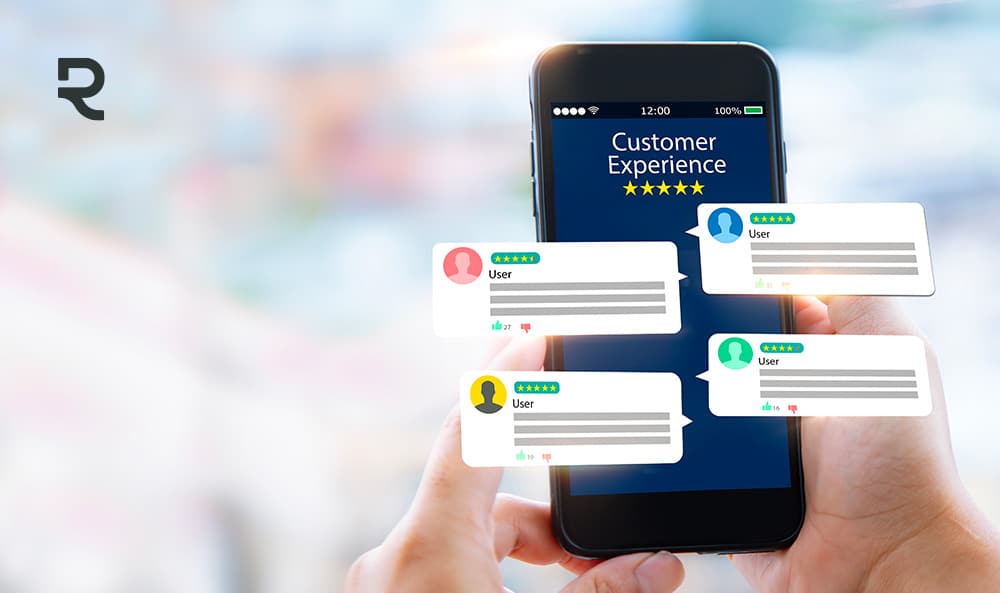
Just make sure the space is moderated, and stay in control of your UGC.
If you’re not comfortable with forum- or comment-style features, there are other ways to encourage customer content:
- Surveys: after a customer has used your service, send a follow-up survey to collect ratings and feedback, and use it to improve the experience. Polls are useful too: they may reveal improvements your website needs.
- Memberships: give customers the option to become paying monthly members, with perks such as free admission and members-only offers. Encouraging sign-ups can also lift your conversion rate.
- Reviews: ask customers to leave a review after their trip, on your website, your Google Business Profile, Tripadvisor, or Facebook. Respond to any negative feedback, and publicly thank people for great reviews. A Google review QR code on your tickets or vouchers makes it easy to ask. Our guide on how to respond to negative reviews can help.
- Social media: social channels bring in audiences from other platforms and show how much people enjoy your services. Mentions of your pages and shares of your posts can also build anticipation.
The content of your package pages should focus on your customer’s experience, not just on selling a product. Think about your target audience and the kind of content they’d like to consume and share. For example, share an image of this season’s must-visit destination, or other travel ideas such as a list of unusual places, heritage sites to discover, or fun travel stats.
3. Show Your Expertise With Niche Content
If you’re a safari specialist, create niche guides on itineraries, wildlife, and weather so travelers get as much information as possible from you.

Niche guides are valuable for travelers who want to get more out of their trip.
Think back to the topics your customers raise when they plan their trips, and write about them. Combine that content with your keyword research to strengthen your SEO while keeping your writing enjoyable to read.
Pro tip: mention people and websites in fields related to your business. Reaching out to them and asking for a link to your site is part of link building, and it can bring new customers to your website.
Networking with influencers in your industry is another way to increase bookings and conversion rates. Feature the local suppliers and partners you want to promote, too.
4. Create Content That Enhances the Experience
Instead of trying to sell the tour directly, build your content around the surrounding area. Content about nearby towns, places to eat, and things to see brings more value to your audience. By covering destinations, you show travelers the experience they could have and help them picture themselves there. This kind of content is essentially destination information that people have searched for and enjoyed.
When you work on travel SEO, include content about towns, villages, and great food. It helps travelers imagine their next destination and builds excitement about the trip. Describe in detail where they can go, how to get there, and the best ways to get around (trains vs. buses, for example). Food is also a popular topic with travelers, so cover the best places to eat, give a preview of the menu, and include a range of dishes to appeal to many readers.
To deliver the best experience, always write with your customers in mind. That’s what sets you apart from competitors and from the many resellers of tours and activities. When you write these articles, use internal links to connect each blog post clearly to the related tours and activities.
Make your content interactive and easy to use as well. It makes it easier for visitors to explore their options.
Once you’ve created experience-driven content with plenty of internal links and visuals, take it further and add video, once the written content is in place (our guide to video SEO for AI search explains how to optimize it). Any extra media improves the user experience and strengthens the last step of the customer journey.

The Bottom Line
As a travel specialist, you want your business to thrive, and keeping up with constant changes in SEO can be a challenge. But done right, it’s well worth the effort.
Following the steps in this guide will help you improve your Google rankings, but don’t get discouraged if you don’t see results right away. SEO takes time, so be patient while Google crawls and evaluates your content. In the meantime, keep reviewing your content to see which topics resonate, and improve it where needed.
Need a hand with your travel website? Référenceur is a French-speaking agency from Belgium and Luxembourg that works with U.S. businesses remotely, through video calls, shared screens, and monthly reporting. We handle both web design and SEO, so get a free assessment of your site’s SEO and user experience.