 0498 70 98 60
SEO in 2026 and Beyond: The Complete Guide to Search in the AI Era
SEO has entered a new stage of maturity. In 2026, search experts agree on one fundamental point: search isn’t going away, but the way it looks and works has changed for good. Artificial intelligence is reshaping how people search, the interfaces they use, and the criteria that determine visibility. Businesses now have to rethink their entire approach to SEO.
This pillar guide offers a complete, structured, and lasting view of SEO in 2026 and beyond, based on industry analysis and on changes you can already see in the search results today.
Search Is Now Everywhere, Not Just on Google
Looking for information no longer means typing into a single search engine. People now ask conversational assistants like ChatGPT, Gemini, and Perplexity their questions, get answers directly inside AI-generated features such as Google’s AI Overviews and AI Mode, or turn to social and community platforms. This fragmentation is redefining what “visibility” actually means.
In this new environment, SEO can no longer be treated as a traffic channel alone. It has become a driver of overall brand presence: the goal is to be identifiable and understandable wherever information is searched for, summarized, or recommended.
From Rankings to Credibility
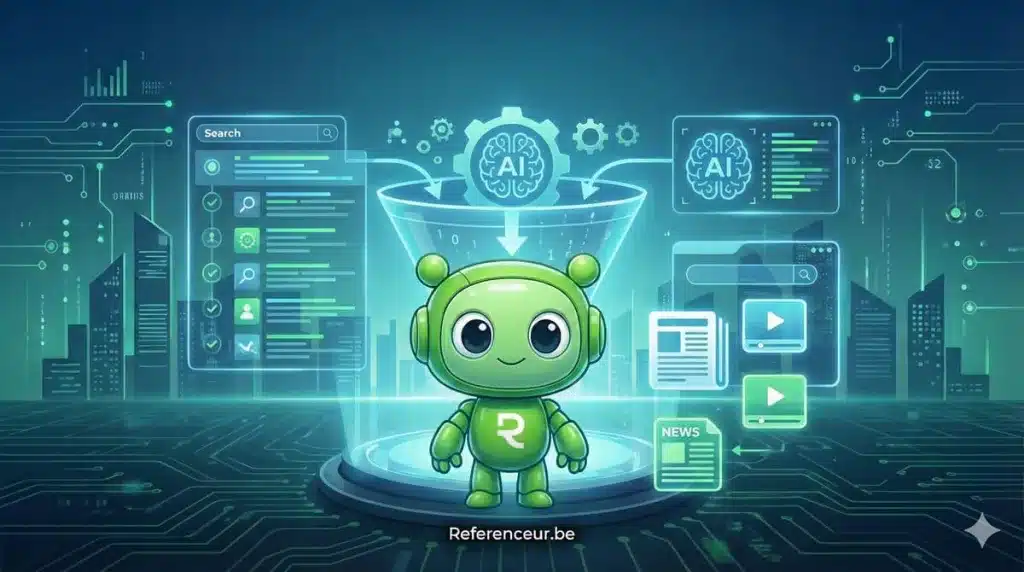
One of the biggest shifts in modern SEO is that traditional rankings are no longer the whole story. AI systems don’t just display a list of results: they generate answers from multiple sources, which they cross-check and evaluate.
In this model, credibility matters more than position. A brand that shows up consistently, is recognized as an expert, and gets mentioned across different digital channels is more likely to be cited than a website that simply ranks well for one specific keyword.
For an SEO agency, the job becomes one of building trust over the long term, where the consistency of your entire digital footprint matters as much as on-page optimization.
AI Is the New Filter for Visibility
AI-powered search engines interpret content differently. They identify entities, connect concepts, evaluate semantic relationships, and prioritize information based on how reliable it appears.
This raises the bar to a new standard: absolute clarity. Your content has to be unambiguous, logically structured, and designed to deliver information that is accurate, verifiable, and in context.
SEO in 2026 is no longer about isolated keywords. It’s about helping algorithms understand your business as a whole.
Your Website Is an Entity, Not Just a Collection of Pages
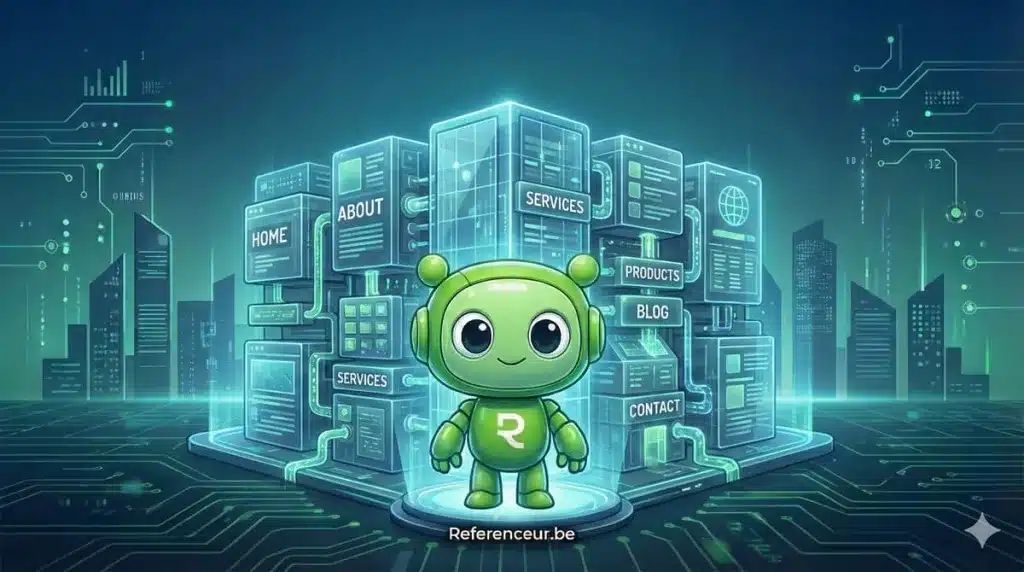
Search engines and AI systems now analyze websites as complete systems. Information architecture, navigation logic, the relationships between pieces of content, and semantic consistency are all evaluated together.
A well-structured site is easier for people to understand, and easier for algorithms to read. In 2026, SEO architecture has become a strategic pillar, on par with content and technical SEO.
The Rise of AI Agents and What It Means for SEO
One of the most important turning points for SEO is the rise of AI agents. These systems can take action on a user’s behalf, and they are upending the traditional role of search optimization.
SEO is no longer just about attracting a visitor. It’s about providing information that machines can actually use: systems that compare, recommend, and make decisions. That requires well-structured data, greater transparency, and a frictionless user experience.
SEO is becoming the point where content, data, and product meet.
The End of Content for Content’s Sake
Generative AI has made publishing easier than ever, and the volume of content online has exploded as a result. In a saturated environment, value no longer comes from quantity. It comes from differentiation.
The content that keeps performing in 2026 and beyond is content that delivers:
- genuine expertise,
- firsthand, real-world experience,
- original data,
- in-depth analysis.
Today’s SEO rewards high-value content that builds a lasting competitive advantage.
E-E-A-T: The Foundation of Modern SEO
Experience, Expertise, Authoritativeness, and Trustworthiness remain central, but their scope keeps widening. AI systems assess a brand’s credibility as a whole, through the quality of its content, its reputation, and the consistency of what it says across channels.
SEO is becoming brand work: every touchpoint either strengthens or weakens the trust people (and machines) place in you.
Measuring SEO Performance in Business Terms
Traditional metrics focused on rankings or raw traffic are steadily losing relevance.
In 2026, SEO performance is measured by how well it supports business goals: conversions, customer retention, and revenue. This approach turns SEO into a strategic priority that is fully integrated into company decision-making.
Understand Your Users Before You Optimize for Search Engines
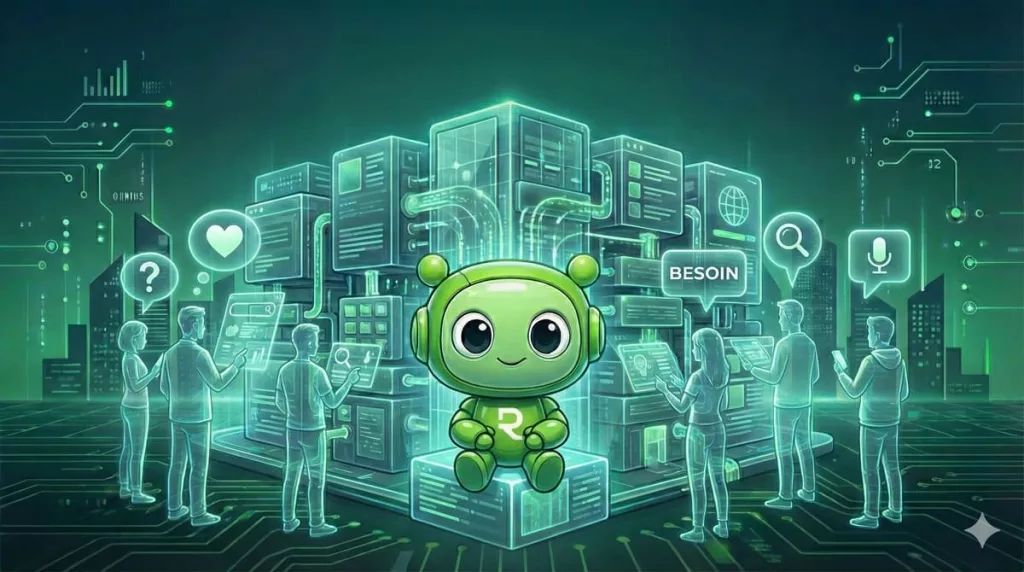
Despite all the technological change, the core of SEO hasn’t moved: meeting people’s needs. The strategies that win are the ones that truly understand the intent, expectations, and objections of their target audience.
Optimizing for SEO in 2026 means designing useful, smooth, and consistent journeys that guide people through their decisions, whatever channel or interface they use.
Conclusion: SEO in 2026 Is a Company-Wide Strategic Discipline
SEO in 2026 is a cross-functional discipline at the intersection of content, data, user experience, and artificial intelligence. It’s no longer about optimizing for one search engine. It’s about building a digital presence that is credible, durable, and usable by intelligent systems.
This pillar guide is meant to serve as a strategic foundation for more specific content, deeper analysis, and case studies. As search keeps changing, SEO remains a core growth driver, as long as it is treated as a company-wide strategy that evolves over time.
Want to know how your business shows up in Google and AI search today? Référenceur, a European agency that works with U.S. businesses remotely, can review it with you: request a free assessment.